The skating scene is a fascinating one. Essentially, we all show up for the same reason—to have a thoroughly good time on our 8's. We get to enjoy a continuous stream of party vibes, creativity, and beautifully rich connections with a variety of people from all walks of life.
For the most part, it’s a space that feels open, welcoming, and enriching—it gives to us as much as we give to it. But every now and then, I’m reminded that:
Beneath all of the free flow and creativity, there are important nuances—unspoken rules—that help keep our relationships in good stead.
Nobody sits you down and explains skate ettiquette and other unspoken rules. You appreciate them over time—the more you show up, the more you engage, the deeper you immerse yourself in the culture. And one of the biggest? It’s about copying—what it means, where the line is, how to make the best of your time and show respect where it's due!
Let me explain.
Copying Routines
In skate culture, sharing is an integral part of the culture—it's kinda what we do best. Skills, drills, rhythm skating routines—these are shared among us constantly. It’s one of the things that makes our skating communities so unique and generous.
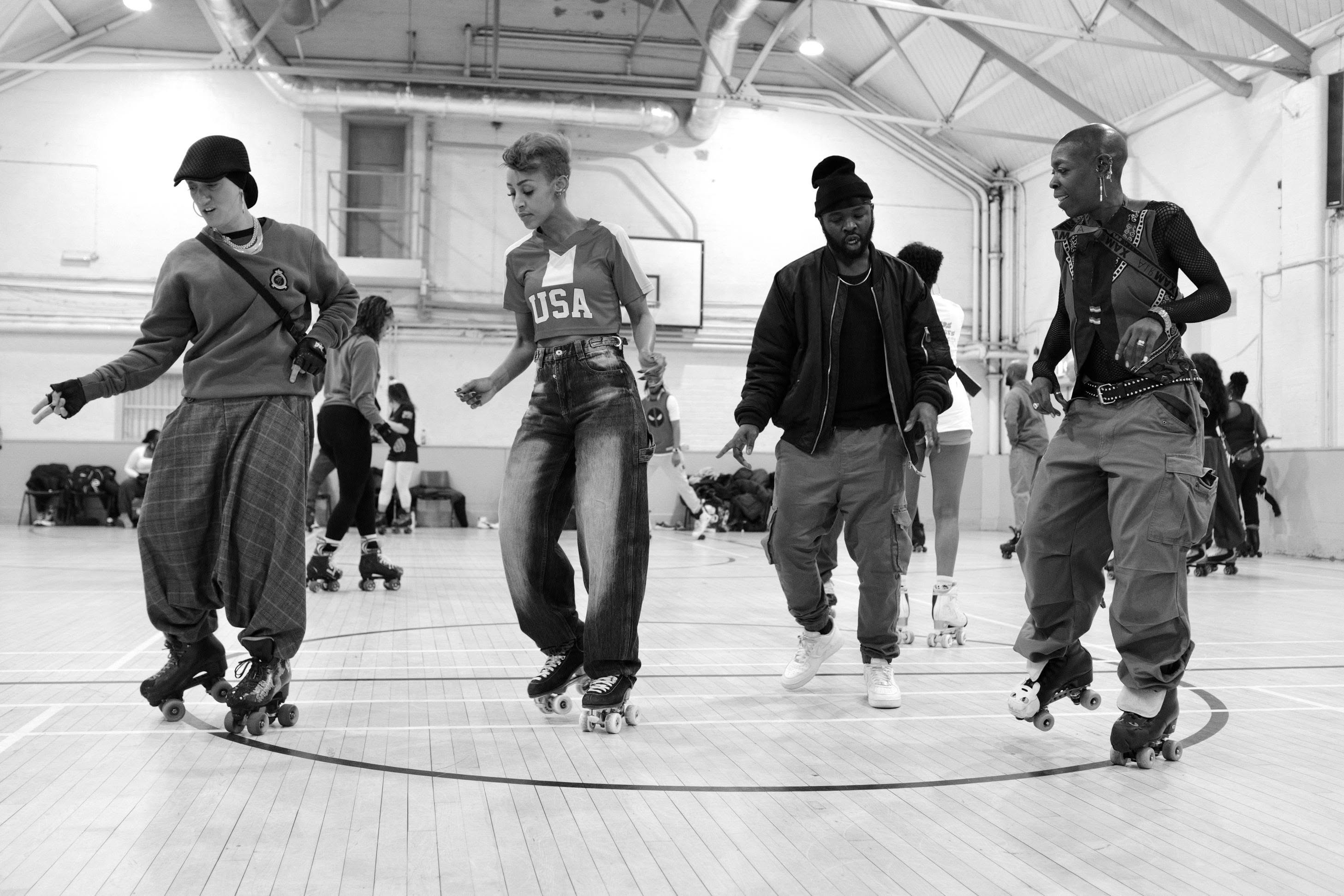 Photograph by @jigsysk8s
Those who’ve been skating for years regularly share their knowledge and experience freely, helping others unlock key breakthroughs. Turn up to enough skate meets, and you’ll see it in action: groups of skaters running routines together, inviting others to join in—if they can keep up with the technicals and rhythmical timing. As we always say—drill it till you kill it!
And now, with the explosion of social media, that sharing has gone global ...overnight!
We can tap into routines, styles, and ideas from all over the world. Whether you’re looking for new flows, learning a whole new skating style [like me learning the JB Chicago style right here in London!], or being inspired by skaters in other countries …it’s all right there, at the click of a button.
This beautiful melting pot of creativity is an amazing thing. But here’s where the unspoken rule comes in.
When you learn a routine—whether from someone in person or online—and then post it, you should acknowledge the originator. You tag them. Simple. That small gesture creates a win-win scenario. You get to showcase your progress and creativity, and they get recognition for their work. It’s about respect. It’s helps to build a community steeped in good energy. Skip that step? That’s when things can get sticky.
Because while imitation is part of learning, presenting someone else’s creation as your own—or failing to credit them—can quickly show you up in a bad light.
Photography and Videography
The same rules apply with photography and videography too. If someone takes the time to capture your skate flow, your better side and your good vibe—photos, videos, content—that’s their creative contribution.
Tagging them isn’t just courtesy, it’s showing them respect for their part in producing the work. It says: “This is your handy work and I appreciate the offering.”
It helps maintain relationships and keeps the ecosystem of creativity positively balanced. It’s just good housekeeping, common courtesy and a mark of respect.
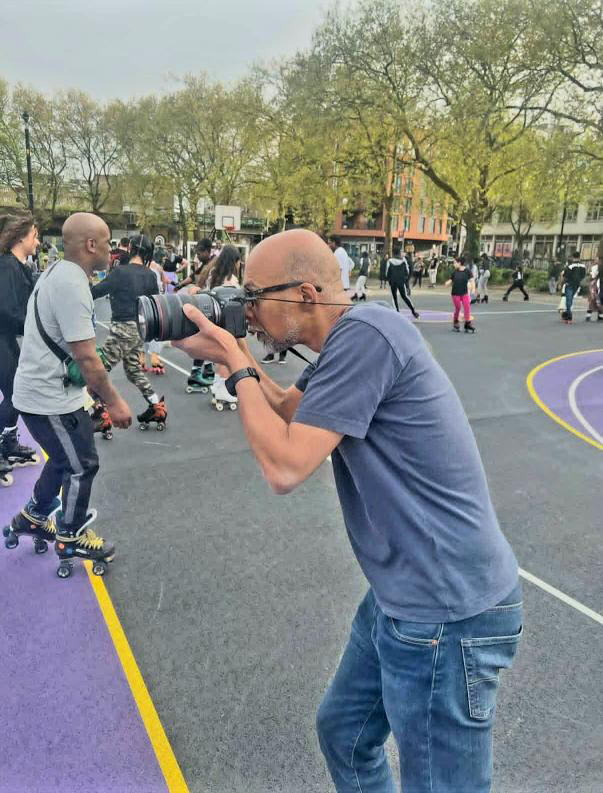 Photograph by @pranksk8uk
The beauty of it is that it doesn't take anything away from your moment. If anything, it’ll help you to build solid connections founded on respectful and generous exchanges.
And yes, I have seen more than a few skaters left feeling disrespected and used when this step has been overlooked. But hey, that's a scenario that we can easily avoid, right? Especially as older skaters, we know better than to use our peers for our own personal gain.
Once is considered an oversight, repeatedly is not!
Skate Influencers
Then there are the many skate influencers—those of us who have been in the space for a bit and are now consistently sharing our knowledge, creativity, and insights online—often for free. It’s a powerful space. Not only does it help build an audience as content creators, but it also contributes to the richness of expertise and experience within the global skating community.
But with that visibility comes responsibility.
Recently, I noticed something that agitated me. Another London based skate influencer appeared to be copying my ideas—and no, I don't mean just taking inspiration, I mean blatantly replicating my idea almost exactly [and not for the first time either].
Now, let’s be clear—it isn’t a crime to copy someone elses intellectual property [IP]. People are free to move how they choose. But in a community that's relatively small and as interconnected as ours, these antics do not go unnoticed.
In fact, this particular community leader has now been flagged by more than a few skate teachers [we're actually getting close to double figures at this point] for “taking” their IP/ideas 2 or 3 weeks after they've shared them on socials. And let’s be real—social media timestamps don’t lie.
At some point, behaviour like this will catch up with you. Often publicly!
Because what’s really happening here isn’t just copying IP—it’s energy vampiring off of the efforts of others in an attempt to grown her business—to get ahead regardless of how it make others feel.
It's pretty selfish behaviour.
And in doing so, she risk's something far more valuable than ownership of content and IP:
Her reputation and integrity is now under serious question.
It's a shame to witness this kind of careless approach to others from a fellow community leader. Needless to say, most influencers hold a much higher standard for themselves. They understand the value of maintaining good relationships.
Why Does It Even Matter?
When you consistently fail to acknowledge others’ contributions, it leaves a bitter taste. People notice. Word spreads. And over time, it shapes how members of the community see you. It can harm your relationships going forwards.
In a culture built on beautiful creative exchanges and reputation, that’s not a great place for a longstanding skater or skate influencer to be. It's also not necessary in a community as rich and generous as ours. There's an abundance of free resources, information and support available.
Final Thoughts
This reflection was sparked by a recent live from a well known JB skater who shared some powerful insights into the many dynamics within our global skating scene. It got me thinking more deeply about how we show up—not just when we skate, but in our personal and professional dealings with one another. We are afterall just people on a quest for greatness, however, the choices we make along the way do matter!
I get it—we're all different people in this space, and the skating community will reflect this truth [like any other growing community].
Yes, skate culture is generous. Yes, it thrives on shared creativity. But take note—there’s a fine line between taking inspiration…and taking selfishly for your own personal gain without acknowledgment—just because you want it! Respecting that line is what helps to keep our amazing culture at top tier.
If you choose not to, sure, you'll get away with it for a while, but eventually, the community will usually find a way of holding you accountable.
Kelly
Cranial Osteopath | Wellbeing Coach | Roller Skate Instructor
🗯️ What are your thoughts on where the boundaries are around social media and copycat culture? Should boundaries even exist within our skating communities? Tell us in the comments below or, leave us a lil emoji response.