This summer was one for the books — sunny days, vibrant energy, and endless opportunities to socialise [at more skate meets than I could keep up with]. I honestly can’t remember a time when I skated so much or had so much fun! From solo skating, group street skating, impromptu gatherings, to carnivals, skate parties, and a trip to Paris, and later Valencia—I was definitely living it on the skate scene, long past the summer, as the good vibes kept on flowing! October came, the weather began to turn, and my body gave me a gentle (okay, not-so-gentle) reminder: even the best things in life need to be balanced out at times.
A Summer Schedule That Took Me To The Brink!
To be honest, my skate schedule went deep for too long! I was skating most days, sometimes twice a day! I don't remember having more than 2 consecutive days off for some months — there was quite literally too much enjoyment up for grabs!
On top of that, I started most mornings with a lower body workout and stretch routine [to support an old knee injury I'd picked up from overdoing it on skates two summers ago]. The plan was to build up my leg strength as a way to minimise any future injury. Let's face it, when you hit 50, you recognise that it's necessary to put in that extra effort towards maintaining your physical condition [coz let's face it, my knees ain't bouncing back from stress and strain like they used to]. And so, for a while, it worked. I felt stronger by the week ...until I didn't! My body began letting me know it had had enough.
Listen When Your Body Talks!
Initially, I didn't notice the fatigue beneath the surge of adrenaline, but I did notice my knees starting to feel strained whilst performing the simplest of skate manoeuvres. They felt like they were close to giving way with random warning twinges. My legs felt tight and tired, like they weren't quite my own! It was a pretty weird feeling. I was obviously running off adrenaline, and to have not noticed my underlying fatigue.
Skating was [and still is] my happy place, my outlet for mental stress, my social time, and pretty much my favourite pastime, especially while the sun was out. However, by this point, I had no choice but to stop — I knew I was risking injury. It wasn't until I'd taken 4 days' rest from skating that I realised just how knackered I was. The more I rested, the more I settled down and attuned to my body, and noticed just how much I was pushing myself physically [without the right level of nutrition].
What Burnout Looks [and Feels] Like
Burnout isn’t just mental exhaustion — it’s physical overload too. When you train or practise intensely for weeks or months without proper nutrition and enough recovery, your body starts to break down instead of building up.
Think of it like training for your first marathon: at first, every run makes you stronger. But if you don't prepare well nutritionally, and skip past your rest days, your muscles don't get a real chance to build and repair, your energy systems begin to deplete, and your performance starts to decline. You might start to feel slower, weaker, or more easily fatigued — even when you’re putting in the same effort — doing what you've done pretty successfully in previous weeks.
That’s exactly what happened to me. My legs weren’t sore in the usual “I’ve worked hard” way — they felt drained. My knees didn’t ache from big efforts — they felt weird from instability with minimum exertion. Clearly my body’s way of saying, “enough.” Hormones shift, inflammation builds, and energy reserves take a dip. The zest for skating gets replaced by a heaviness that you can’t just stretch your way out of.
It’s the body's way of gently waving a white flag — and if you ignore it, that whisper can turn into a roar.
Rest, Recovery, and a Reality Check
After 4 consecutive days off skates, I started to notice some improvement. The weird sensation in my muscles began to ease [by about 60%], and my knees no longer felt unstable every time I climbed a set of stairs or bent more than 45%. The exhaustion hadn't completely lifted, but I could finally feel my vitality starting to return.
It’s now clear to me that what I was experiencing was burnout — mostly manifesting physically, but also in other ways. It’s a hard lesson to learn, one that commands your attention if you're to avoid something really giving out [mid spin!].
I have since taken it easier, slept more and paid attention to my diet — basically, letting my body build back up and catch a break. I realised that I hadn't taken on nearly enough protein to support the intensity of exercise I was doing for many months, and this was instrumental in me reaching a point of burnout.
Nourishing Your Body When Working Out
When you’re burned out, your body isn’t just tired — it’s nutritionally depleted. Chronic stress drains vital nutrients, disrupts hormones, and impacts your energy, focus, and mood. One of the most supportive things you can do for yourself during recovery is to eat enough — and nourish your body with the right balance of protein, nutrients, and hydration. After 4 days of rest, I realised that my protein and multivitamin intake had dropped off over the summer, and I'd somehow veered away from the routine I previously had in place. So, I went back to my multivitamins again [B12, high dose vitamin c, zinc] followed by a protein-packed brekky [soaked raw oats and soaked almonds, pumpkin, hemp and chia seeds].
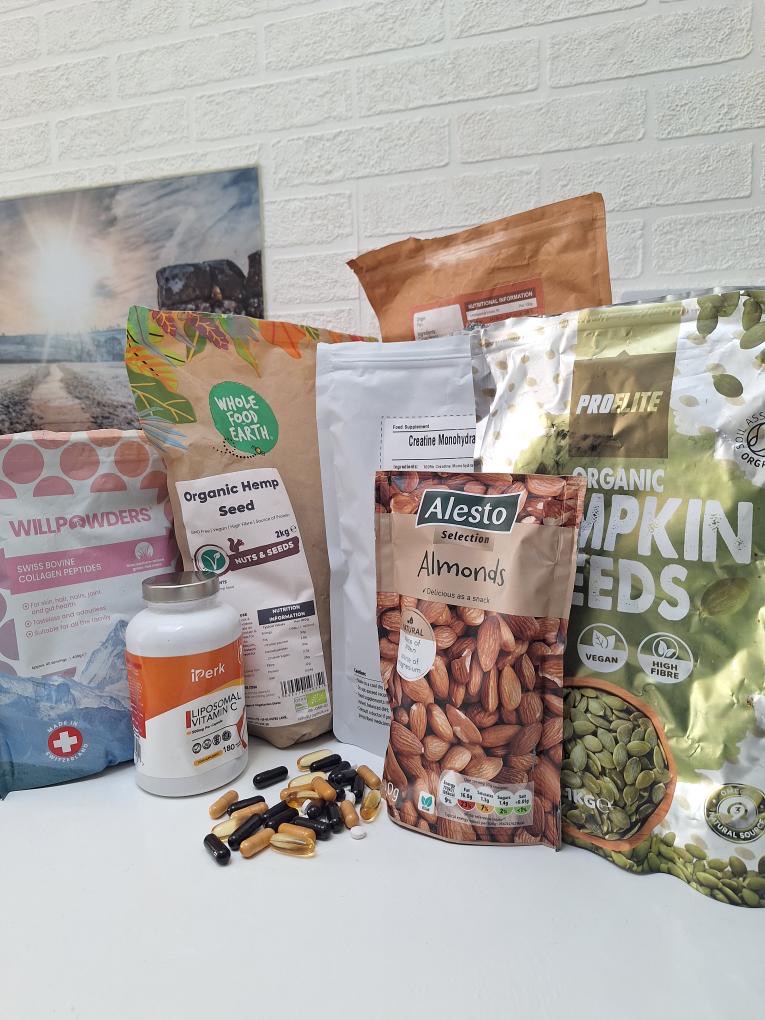
What's really interesting is that the moment I increased my protein intake, my energy and strength begun to pick up significantly . Sometimes you've just just got to be still enough [for long enough] to tune into your deeper senses — the answers are usually within reach.
Dietry Considerations
The Power of Protein
Protein is essential for rebuilding and rebalancing your system. For women over 40, it becomes even more critical as natural hormonal changes — especially declining estrogen — can reduce muscle mass, slow metabolism, and affect how your body handles stress. Adequate protein supports lean muscle, stable blood sugar, and steady energy, and provides the building blocks for neurotransmitters like serotonin and dopamine — the very chemicals that influence mood, motivation, and calm.
✅ Include a source of quality protein at every meal: think eggs, fish, chicken, Greek yogurt, lentils, beans, hemp seeds, and nuts.
Vital Vitamins and Minerals
When your body is under prolonged stress, it uses up nutrients faster, making deficiencies more likely. Replenishing these helps restore both physical and emotional balance:
-
B vitamins [leafy greens, eggs, whole grains] help convert food into energy and support your nervous system.
-
Magnesium [nuts, seeds, dark chocolate] calms the body and helps reduce anxiety and muscle tension.
-
Iron and zinc [lean meats, lentils, pumpkin seeds] boost energy, immunity, and cognitive clarity.
-
Calcium and vitamin D are key for bone strength and hormone support — especially important post 40.
-
Omega-3 fatty acids [salmon, walnuts, chia seeds] help lower inflammation and support brain health.
✅ Consider supporting your diet with daily supplements, that way you can control your intake during those busier periods.
Hydration: The Forgotten Stress Buffer
When burnout sets in, hydration often slips through the cracks. Yet good hydration is essential for every system involved in recovery — from energy production to hormone regulation and brain function. Even mild dehydration can amplify fatigue, brain fog, and mood swings, all of which make burnout feel worse.
✅ Aim for steady hydration throughout the day rather than gulping large amounts at once. Herbal teas, mineral water, or [my personal favourite] sipping water infused with lemon or lime and a pinch of celtic sea salt.
Practical Recovery Tips for Skaters
If you’ve been skating to excess like I was, here are a few gentle reminders that might save you from the burnout zone:
-
Schedule rest days — not “light skate” days, but real rest. No skates. No guilt. Give yourself a chance to relax, unwind and come back with some fire in your belly.
-
Stretch well— focus on hips, hamstrings, quads and calves. Use slow, mindful movements instead of rushed warm-ups. Take some to time to stretch well soon after you skate [when your muscles are most tight].
-
Fuel and hydrate — skating burns more energy than you think. Eat enough protein and carbs to repair muscles and restore energy [any adjustments made will depend on your current intake, activity level and sense of well-being].
-
Sleep like it’s part of your training plan — because it is. Muscles rebuild and hormones rebalance while you sleep. Remember, fatigued muscles are less able to protect themselves from stress, strain and injury.
-
Listen to your body — fatigue, aches, stiffness, twinges, soreness and/or loss of motivation are all signals. Respect them before they force you to.
-
Mix it up — if you can’t sit still, do something restorative: swimming, gentle yoga, meditate, chill out in a green space or go for a slow walk outdoors.
-
Mind your mindset — rest doesn’t mean you’re losing progress. It means you’re investing in longevity —think about your long game.
Summary
Here’s the thing: burnout doesn’t always come from doing something you don’t love — sometimes it comes from doing too much of what you do love. You can easily get caught up in the excitement and overlook the basics and how much you're overextending yourself — and that can come at a cost to your health and wellbeing.
Rest is what allows you to keep showing up with renewed vitality, bouncebackability ...and pain-free. So, I consider this episode a lesson learned for next summer:
Rest days are just as important as skate days. just because you can skate every day… doesn’t mean you should. And, support your body nutritionally. Nourishing yourself well is the foundation of your strength, balance, and zestiness — especially when you're going hard with something you really love.
Kelly
Cranial Osteopath | Wellbeing Coach | Roller Skate Instructor
🗯️ Have you experienced burnout? If so, what changes did you bring in? Share your thoughts and comments below, or leave us a quick emoji resonse.